Residential Real Estate News

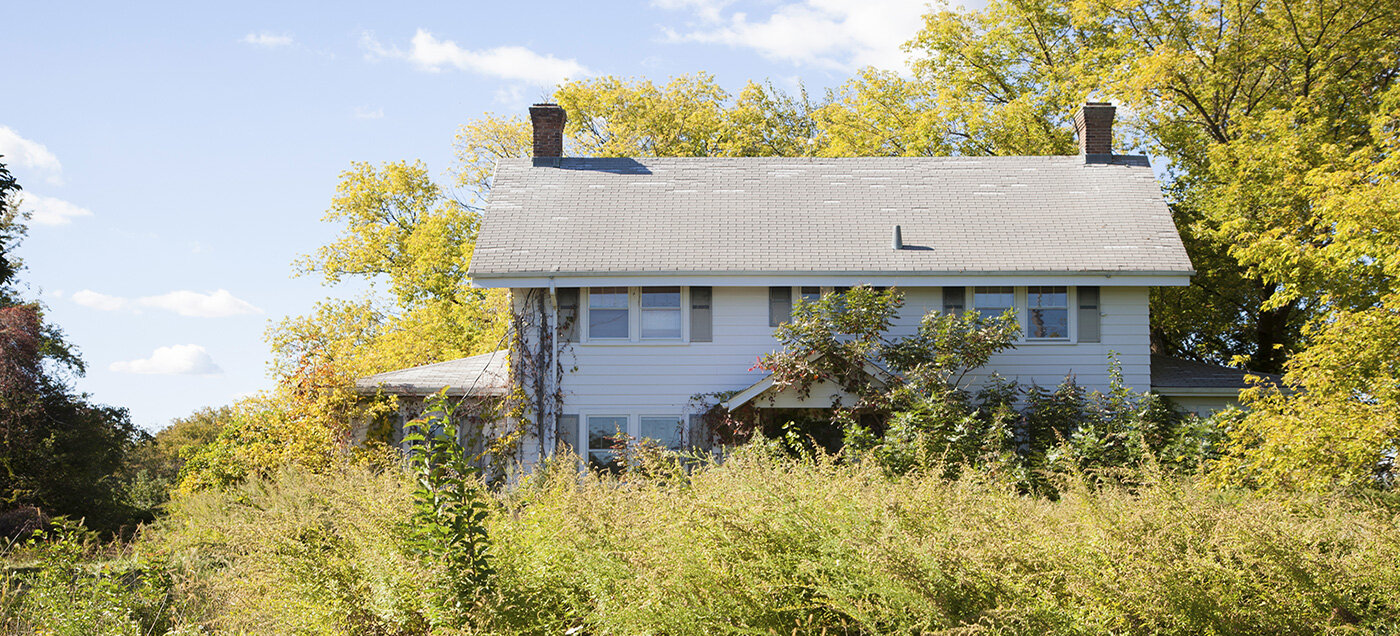
Zombie Home Foreclosures Rise in 38 U.S. States in Q2
U.S. housing vacancies held steady in the second quarter of 2026 even as "zombie" foreclosures ticked higher in several regions, signaling a slow normalization in distressed-property activity, according to a new report from ATTOM Data Solutions.
Across the country's 104.9 million residential properties, roughly 1.4 million homes--about 1.3%--were vacant in Q2, unchanged from both the prior quarter and the same period a year earlier. That stability suggests vacancy conditions remain broadly balanced despite localized pockets of stress.
Foreclosure activity, however, edged higher. Of 245,376 homes in the foreclosure pipeline, 8,312--about 3.4%--were classified as "zombie" properties, meaning owners abandoned them before the foreclosure process concluded. That share rose slightly from 3.3% in the prior quarter and matched year-ago levels.
"The increase in zombie foreclosures across most states may reflect a foreclosure market that is slowly returning to more normalized levels," said ATTOM CEO Rob Barber. He added that overall vacancy remains steady and zombies still represent a small fraction of total foreclosures.
Geographically, zombie foreclosure counts rose quarter-over-quarter in 38 states plus the District of Columbia, with the sharpest percentage gains in Georgia, North Carolina, Indiana, Iowa, and South Carolina. By contrast, Washington and New York were among the few states posting declines.
Vacancy rates remained structurally highest in parts of the South and Midwest, led by Oklahoma and Kansas (both 2.4%), followed by Alabama, West Virginia, and Missouri. At the other end of the spectrum, tight housing markets in New England and parts of the Mountain West continued to post the lowest vacancy rates, including New Hampshire (0.3%), Vermont (0.4%), and New Jersey and Connecticut (0.5% each).
At the metro level, distress was far more concentrated. Several Midwestern cities posted double-digit zombie foreclosure rates, including Cedar Rapids, Wichita, Youngstown, Cleveland, and Akron, underscoring persistent weakness in select legacy housing markets.
Investor-owned properties showed a more pronounced imbalance. Among 25.1 million homes owned by institutional investors, 3.5% were vacant--more than double the national average. Vacancy rates in this segment were highest in Indiana, Illinois, Kansas, Oklahoma, and Alabama, suggesting uneven absorption of investor-held housing stock across secondary markets.
At the neighborhood level, certain ZIP codes showed extreme concentration of distressed, partially abandoned properties. In parts of Baltimore, Los Angeles, and Florida metros including Tampa and Daytona Beach, more than one-third of homes in foreclosure were already vacant, with Baltimore's 21217 ZIP code exceeding 50%.
Taken together, the data points to a housing market that remains broadly stable at the national level but increasingly segmented, with investor-owned inventory and select regional markets carrying a disproportionate share of vacancy and foreclosure-related stress.